
Start Your Journey to recovery at DPU Hospital. Affordable Liver Transplant Treatments
For Liver Transplantation Surgery,
DPU Hospital in Pune is your best choice.
Our expert medical professionals have
successfully performed the most number of Transplantation Surgeries.
/filters:quality(100)/filters:proportion(1)/specialityhospital.dpuhospital.com/lthero.webp)
When to consult The Liver Specialist
Find out more about Liver Transplantation Surgery
/filters:quality(20)/filters:proportion(0.5)/specialityhospital.dpuhospital.com/symptoms-graphic-image-min.png)
When liver disease progresses
It is important to consult for a liver transplant when an individual's liver disease is advancing despite medical management. This includes conditions such as hepatitis, portal hypertension, cirrhosis, chronic hepatitis, primary biliary cholangitis, or autoimmune liver diseases that can lead to liver failure over time.
When liver function declines
If liver function tests consistently show a decline in liver function, it may indicate the need for a liver transplant. This can be indicated by elevated levels of liver enzymes, impaired blood clotting, elevated bilirubin levels, or decreased albumin production.
When symptoms become severe
If the Symptoms such as persistent jaundice, uncontrolled ascites (fluid accumulation in the abdomen), hepatic encephalopathy (mental confusion), Endoscopy and banding of varices (dilated veins) has been done, black colored stools, unexplained weight loss, or fatigue become severe and impact the individual's quality of life, a liver transplant consultation is warranted.
When other treatments fail
When alternative treatments like medications, lifestyle modifications, or surgical interventions, fail to halt or reverse the progression of liver disease, a liver transplant consultation is advised. A specialist assesses the individual's condition, the medical history to recommend the most appropriate and beneficial treatment option.
The Basic Steps of Liver Transplantation
Living Donor Liver Transplant
A living liver transplant
Finding the first step in this journey begins with finding a suitable candidate - a compatible and healthy living liver donor. This could be a relative or a close friend. Matching of donors with recipients is based on blood group, body size, general medical condition and other factors.
A pre-transplant assessment
Both the recipient and the donor undergo a rigorous medical examination and psychosocial evaluation. The thorough pre-transplant assessment to determine the patient’s and the donor's eligibility is done by an expert clinical team, followed by an independent doctor as an additional step.
Preparing the patient for the surgery
The patient is prepared for the surgery with appropriate medication, diet etc. recommended by our team of experts; to ensure that the recipient stays in optimal health.
The Waiting List
In case there is no living donor found or no match from present & willing donors is made, then the patient is put on a waiting list for a donor & match for the liver transplant.
/filters:quality(100)/filters:proportion(0.8)/specialityhospital.dpuhospital.com/liverbeforeafter.webp)
/filters:quality(100)/filters:proportion(1)/specialityhospital.dpuhospital.com/beforenafter.webp)
Deceased Donor Liver Transplant
If there is no living donor or there is no match with one, then the patient is placed on the liver transplant waiting list.
When an organ Donor is available, the whole liver transplant is done.
It helps to get evaluated by the transplant team in the right time so that the listing for transplant can be done.
The Surgery & Transplant Care
Replacing the Diseased Liver
The liver transplant surgery typically begins with the removal of the recipient's diseased liver. This involves carefully disconnecting the blood vessels, bile ducts, and other anatomical structures connected to the liver. Subsequently, a section of the healthy donor liver is transplanted into the recipient's body.
Post-Transplant Care: Monitoring and Medications
After the surgery, the patient is closely monitored in the intensive care unit (ICU) for a few days and then transferred to a regular hospital room. Post-transplant care involves monitoring liver function, managing pain, preventing infection, and administering immunosuppressive medications to prevent organ rejection. Regular follow-up visits, lab tests, and medication adjustments are essential for long-term success.
Recovery - Adjusting to a New Life
The recovery period after a liver transplant can vary, but most patients gradually regain strength and resume their normal activities within a few months. However, it is important to maintain a lifelong commitment to medication adherence, follow a healthy lifestyle, and attend regular medical check-ups to ensure the long-term success of the transplant. With proper care, many liver transplant recipients go on to lead fulfilling and productive lives.
/filters:quality(100)/filters:proportion(1)/specialityhospital.dpuhospital.com/liverdonated.webp)
Connect early for getting better results
Outcome & Impact of Liver Transplantation
This surgery brings a significant change to human life, changing everything for a patient with a successful Liver Transplantation.
/filters:quality(100)/filters:proportion(1)/specialityhospital.dpuhospital.com/healthyliverimage.webp)
- Improved Quality of Life
Liver transplant can significantly improve the quality of life for recipients. By replacing a diseased liver with a healthy one, the procedure restores liver function and helps alleviate symptoms such as fatigue, jaundice, and pain. This improvement enables recipients to engage in activities they may have been limited by before the transplant, leading to a better overall quality of life.- Extending Lifespan and Long-term Outcomes
Liver transplant has shown to increase survival rates among patients with end-stage liver disease. With a successful transplant, patients can expect extended lifespan - 1 year - 95% survival and 10 years - 70 to 80% survival. Regular monitoring, adherence to medication, and appropriate post-transplant care are vital to ensure the longevity of the transplanted liver.- Resolving Liver Disease
- Liver transplant is a curative treatment option for many liver diseases. By replacing the diseased liver, the procedure resolves the underlying condition, whether it's cirrhosis, hepatitis, or other liver disorders. This eliminates the need for ongoing disease management and provides a fresh start with a healthy organ that can function properly.
- Reduced Risk of Complications
- Liver transplant can significantly reduce the risk of complications associated with end-stage liver disease. These complications may include hepatic encephalopathy, portal hypertension, ascites, and liver cancer. By addressing the root cause of these complications, a successful transplant mitigates the risk and provides recipients with a healthier and more stable condition.
- Improved Prognosis for Specific Conditions
- Liver transplant offers tailored benefits for specific conditions. For instance, in cases of acute liver failure or certain genetic liver disorders, a transplant can be life-saving, preventing further disease progression. Additionally, liver transplant can be an effective treatment option for patients with liver cancer, providing them with a chance for cure or long-term remission.
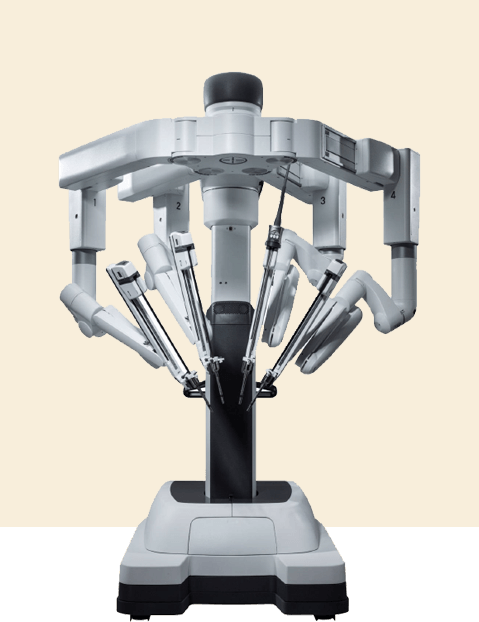
DPU Hospital & Research Center is the
1st ever to perform Robotic Liver Transplant Surgery in Pune
We have World-Class Technology
Revolutionising the Surgeries, that will help you heal faster
Services
Subtitle of this section

Service Name
3 lines of content can be written for explaining this service to the user. 3 lines of content can be written for explaining this service to the user.
Get Appointment
Service Name
3 lines of content can be written for explaining this service to the user. 3 lines of content can be written for explaining this service to the user.
Get Appointment
Service Name
3 lines of content can be written for explaining this service to the user. 3 lines of content can be written for explaining this service to the user.
Get Appointment
Service Name
3 lines of content can be written for explaining this service to the user. 3 lines of content can be written for explaining this service to the user.
Get Appointment
Service Name
3 lines of content can be written for explaining this service to the user. 3 lines of content can be written for explaining this service to the user.
Get Appointment
Service Name
3 lines of content can be written for explaining this service to the user. 3 lines of content can be written for explaining this service to the user.
Get Appointment
Why Wait & Waste Precious Time?
Grab the Chance of Starting Over for a
Healthy Life!
All you need is a Consultation with Us
We are here for you – to answer all your queries and guide you to your health, your new life.
/filters:quality(70)/filters:proportion(0.7)/specialityhospital.dpuhospital.com/hospitalimg3.webp)
Why choose D.Y. Patil Hospital & Research Center at Pune for a successful Liver Transplant?
- Global-Level Healthcare Made More Accessible & Affordable - DPU Hospital & Research Centre is one of Maharashtra's biggest, modern, state of the art hospitals spread across 8,27,702 Sq. Ft. We are famous for our excellent facilities & Internationally Board Certified Medical professionals. Ethics, honesty, and transparency are the pillars of our foundation. Our mission is to make healthcare accessible and affordable care for all.
- International infrastructure & World-class Technology - Known as one of Maharashtra's biggest multi-speciality hospitals , DPU hospital has some of the country's finest, empathetic medical professionals and international infrastructure. With over 35 departments led by experts , we offer the best care to our patients . Over the years, we have been recognised for making affordable treatments accessible to all.
- Empathetic & Highly Qualified Medical Professionals - DPU Hospital is home to some of the most eminent doctors in the world , most of whom are pioneers in their respective arenas and are renowned for developing innovative & revolutionary procedures .
- Exceptional post-operative care - Embracing quality improvement, personalized healthcare & high-end technology for over two decades, DPU Hospital is a 2,200 bedded flourishing multi-specialty medical centre.
- Economical Solutions - DPU Hospital is fundamentally a Patient-centric Care Centre and so we always offer economical solutions & affordable treatments to all our patrons.
- Multi-Organ Transplant Centre - We are Multi Organ Transplant Centre with facilities of Heart Transplant & Lung Transplant , Liver & Pancreas Transplant , Kidney Transplant , Bone Marrow Transplant & Cornea Transplant.
Awards received for
Excellence
Quality Healthcare,
Most Patient Friendly Hospital,
Maximum number of Organ Donations
/filters:quality(100)/filters:proportion(1)/specialityhospital.dpuhospital.com/golden_aim_trophy-removebg.png)
Golden AIM Award 2022
/filters:quality(100)/filters:proportion(1)/specialityhospital.dpuhospital.com/Times%20Health%20Icon.png)
Times Health Icon Award
/filters:quality(100)/filters:proportion(1)/specialityhospital.dpuhospital.com/GOLDEN%20aim%20Award.jpg)
Golden AIM Award 2022
/filters:quality(100)/filters:proportion(1)/specialityhospital.dpuhospital.com/Dhanvantari%20Purskar.png)
Dhanvantari Puraskar 2002
/filters:quality(100)/filters:proportion(1)/specialityhospital.dpuhospital.com/AHPI%20Award%201.jpg)
AHPI Award 2022
Frequently Asked Questions
Q1. When do people need a liver transplant?
People need a liver transplant when their liver fails due to disease or injury. End stage liver disease is when medical therapy does not provide the results and patients health does not improve. That’s when liver transplant comes into the picture.
Q2. When should Liver transplant consultation take place?
When there are signs of liver
function
deteriorating – e.g. when a patient has any of the
following:
1. Persistent jaundice for more than 2 months ( rise in Bilirubin).
2. Ascites (accumulation of fluid in the abdomen).
3. Endoscopy and Banding of varices (dilated veins) has been done.
4. Black coloured stools.
5. Repeated hospitalization due to failing health -muscle wasting, swelling of the feet and
abdomen.
6. Prefers to sleep most of the time.
7. Diagnosis of Liver Cirrhosis is made.
Q3. Why should liver transplant consultation be done early?
Liver transplant is a highly
specialized
and complex operation. One has to undergo multiple
tests and evaluations to assess if a patient is fit to undergo this surgery . The waiting list
for liver
transplant is long and may take a year or so until a liver is available for liver transplant.
The risk
of dying or developing complications while waiting for transplant is high.
It helps to get evaluated by the transplant team in the right time so that the listing for
transplant can
be done and transplant surgery is done before a patient develops complications or becomes too
sick to be transplanted. When a transplant surgery is done at the right time, the outcomes are
excellent and the patient can lead a good and healthy life for a long time. The more the delay
the more the risks and chances of complications.
If you think you or your loved one needs a transplant please get in touch with us for an
earliest appointment.
Q5. Who gets priority for a liver transplant?
Patients waiting for liver transplants are prioritized based on the severity of their illness, as measured by what's called the Model for End-Stage Liver Disease (MELD) score. The score uses blood tests to determine how urgently you need a liver transplant within the next three months. The sicker you are, the higher your MELD score; the scores range from six (less ill) to 40 (critically ill).
Q6. Is there a way to expedite a transplant?
Yes. One option is to go to a
transplant
center in an area where the waiting list is shorter and
organ donation rates are high. At DPU Hospital we have the
largest number of organ donations and a shorter waitlist.
Another option is to receive a piece of liver from a living donor, called a living donor
transplant.
Not everyone is a candidate for Living donor liver transplant. If you'd like to know more about
living donor transplants, contact us for more information.
Q7. What are the advantages to getting a living donor liver transplant?
They are:
1. Decreased donor means a waiting list which takes time. Live donor transplant allows patients
to receive a transplant sooner than
waiting for a deceased donor liver
2. Patients more likely to return to a better quality of life in less time.
3. Decreased chance of dying while waiting for an organ to become available.
4. Planning is possible in a live donor transplant as the surgery date is set ahead of time.
This allows
everyone time to make plans, and to schedule the surgery at a time that is more convenient for
all.
Q8. What is the process like to be a live donor?
The person willing to be a donor has a thorough medical, surgical, and psychosocial evaluation prior to undergoing this voluntary surgery. This involves several full days of testing and meetings with doctors, nurses, social workers, and psychologists at DPU hospital. The transplant team will help them through the process. After review of the testing, a decision is made by the team whether the person is able to be a donor.
Q9. What is the surgery and recovery like for the donor?
Part of the donor’s liver is removed so that it can be implanted inside the person who needs the liver transplant. The remaining portion of the liver generally grows bigger in the weeks after the surgery. Live liver donors usually spend a day or two in the intensive care setting, and then move to the transplant floor for a few more days. The recovery time after live liver donation varies, but typical time off work is anywhere from 4 to 8 weeks. During this time, live liver donors will need extra support at home. They will have follow-up appointments at the transplant clinic. Overall, the recovery can last several months. It is expected that the live liver donor will return to their normal state of health and quality of life after the recovery phase.
Q10. What about the Deceased Donor Liver Transplant process?
The patient is placed on the liver
transplant waiting list. When an organ Donor is available, the whole liver transplant is done.
Q11. How big is the scar from the living donor surgery?
Living donor liver surgery can be
done by various methods –
1-Standard open technique : This has a
Reverse J shaped scar on the right upper abdomen.
2-Minimally invasive technique –
Robotic/ Laparoscopic : This is a safe technique offering small
scars and less pain and a quicker recovery for the donor. Robotic surgery offers small 1cm
scars on the abdomen near the umbilicus and a small curved incision in the lower abdomen
which is usually hidden by the legwear, like trousers or dress or saree. The patient's
recovery is usually seamless, less pain, very less or no blood transfusions and a quick
return to
normal life. If you wish to know more please get in touch with us.
Testimonials
What our patients have to say
/filters:quality(80)/filters:proportion(0.8)/specialityhospital.dpuhospital.com/hospitalimg1.webp)
About DPUatil's Infrastructure & Facilities & News
Some subtitle here that goes along with it
/filters:quality(70)/filters:proportion(0.7)/specialityhospital.dpuhospital.com/hospitalimg1.webp)
Relevant content
/filters:quality(70)/filters:proportion(0.7)/specialityhospital.dpuhospital.com/hospitalimg2.webp)
Relevant content
Relevant content
Visit us soon, Time is precious
Taking the 1st
step towards a Healthy Life makes all the difference.
Act Now!
Let Our Experts Help you Find New Life!
Contact Us
Our team will get in touch with you to confirm the date and time of appointment.
Copyright 2023-24 D. Y. Patil Hospital & Research Center, Pune, Maharashtra